 September 15th, 2015 marked the 125th anniversary of the birth of the late, great Agatha Christie, the most famous and widely-read writer of detective stories and mysteries in the world (many reports say the most widely-read novelist of any kind, period). The web is awash with tributes, favorites lists and sundry other commemorative events...and so I thought, why not add my own humble two cents to the mix, and talk a bit about my favorite film adaptations of Christie’s work? A case could be made that the best adaptations of Christie's stories have been made for television, but this list will stick to works made for the big screen (though I can’t let the opportunity pass to plug the 12 wonderful Miss Marple telefilms made by the BBC from 1984-1992, starring the inimitable Joan Hickson as the silver-haired spinster sleuth, now available in sparkling transfers on Blu-Ray.) What nearly all the following films have in common, besides the sturdy background of Christie's justly-famous, expertly crafted and fiendishly clever plots, is a focus on witty dialogue - a skill amply displayed by the author in many of her novels, though one seldom remarked upon by her critics. 1. Death on the Nile (1978)
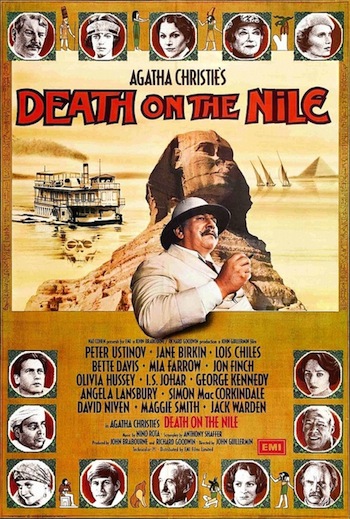 Christie’s most famous creation remains Hercule Poirot, the little Belgian sleuth with the fantastically-coiffed mustache and razor sharp “little gray cells.” Albert Finney’s portrayal in Murder on the Orient Express (we'll get to that one in a moment) is certainly the most faithful to the character as described by Christie, but I’ve always had a soft spot for Peter Ustinov’s subtly comedic, knowing take on the part. Unlike Finney, who disappeared so deep into the character under pounds of make up, hair appliances and theatrical mannerisms that he became unrecognizable, Ustinov looks nothing like the Poirot of the books and doesn’t really try to disguise that fact. The physical discrepancies hardly matter, though, as Ustinov provides buckets of entertainment value in his fastidious, smug and witty performance. The actor is clearly having a field day in the part but importantly, what he does with it feels somehow true to the spirit of the book Poirot. His is a Poirot who lurks around corners, seemingly everywhere, waiting like an eavesdropping vulture ready to pounce on a juicy morsel of gossip or confessional aside from the boatload of suspects assembled here. This is one of Christie’s most celebrated murder mysteries, as the fussy Poirot embarks on a holiday cruise along the Nile, and is called on to investigate the murder of spoiled rich girl Linnet Ridgeway (Lois Chiles). The list of suspects who had it in for the murdered woman is large, and includes such big name talent as Bette Davis, Jane Birkin, Angela Lansbury, Mia Farrow, George Kennedy, Olivia Hussey, Jack Warden, Maggie Smith, and Simon MacCorkindale. Also along for the ride is David Niven, as Col. Race of Scotland Yard, lending able assistance to the genius, yet undeniably exasperating, master detective. Ustinov and Niven have terrific chemistry together, director John Guillerman livens up the proceedings with spectacular scenery galore amid the ancient ruins of Egypt, and the mystery itself remains engaging and clever throughout the film’s long 2 hour, 20 minute runtime. Special credit must go to Anthony Shaffer’s script, which gives the roster of assembled stars plenty of juicy dialogue to chew on. 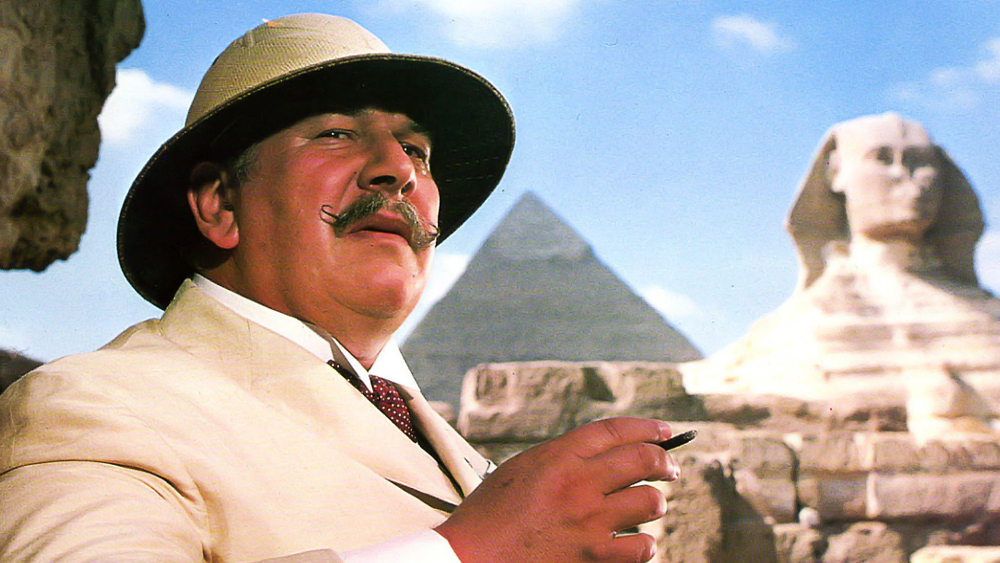 2. Murder on the Orient Express (1974) Poirot: “Ladies and gentlemen, you are all aware that a repulsive murderer has himself been repulsively, and, perhaps deservedly, murdered.” This is the movie that set off the run of star-studded Christie extravanganzas which would continue on through the 70s into the 80s. Like Death on the Nile, this is another mystery set in that staple of Golden Age Detection - the self-contained, remote environment - with scads of suspects on board the notorious Orient Express, all with good reason to want the odious Ratchett (Richard Widmark) dead. They include: Lauren Bacall, Ingrid Bergman, Jacqueline Bisset, Sean Connery, John Gielgud, Wendy Hiller, Anthony Perkins, Vanessa Redgrave, Michael York and Colin Blakely. Thirty-eight year-old Albert Finney seems an odd choice for Poirot, but, assisted by a number of tics, mannerisms and gruff, eccentric line readings, turns in a very credible performance as the famed sleuth, tasked with ferreting out a solution to a most puzzling crime. That solution remains one of Dame Agatha’s most original and ingenious, and provides an emotionally satisfying payoff to this lavishly-produced film. Sydney Lumet directs from a script by Paul Dehn; the screenplay may not be as full of catty, waspish dialog as Nile, but it’s a very fine thing in its own right, and does an outstanding job unraveling all the meticulously laid out plot strands in a clear, entertaining fashion. 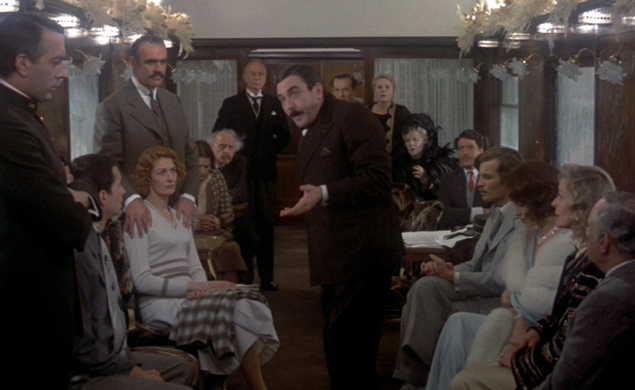 3. Witness for the Prosecution (1957)
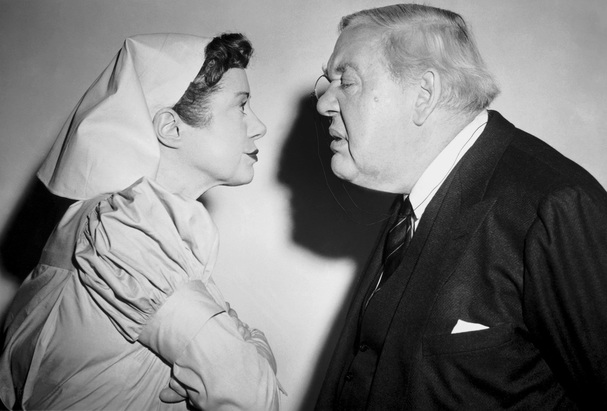
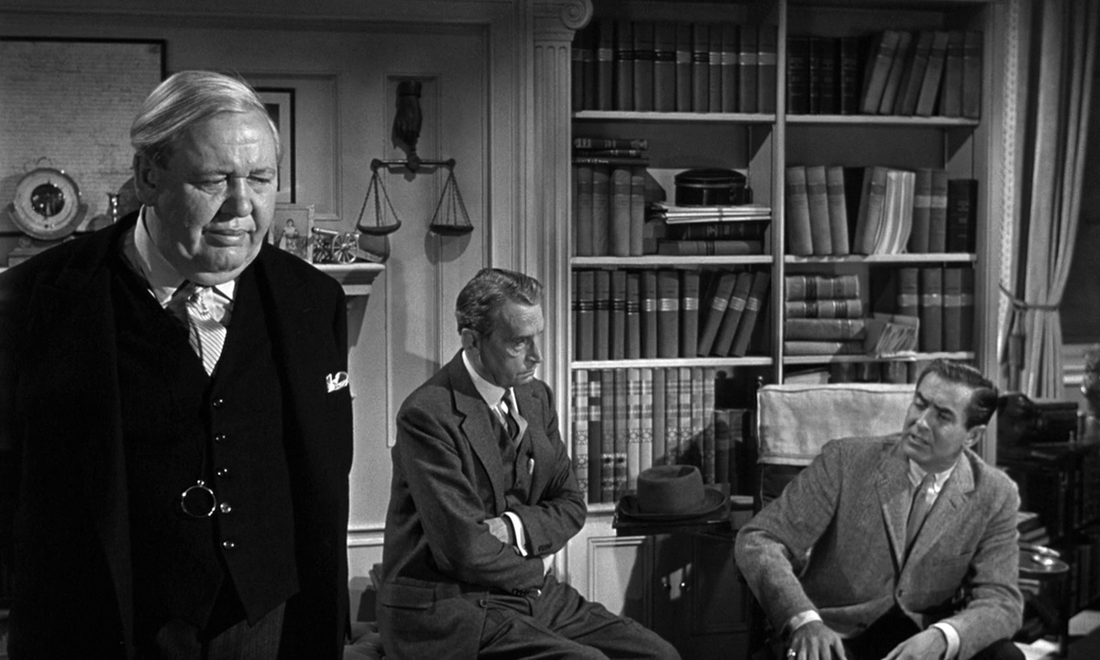 In the early 50s, Christie adapted her 1925 short story into a very successful stage play; in director and co-scriptwriter Billy Wilder’s hands, it became one of the best courtroom dramas you're ever likely to see. When handsome Yank Leonard Vole (Tyrone Power) is accused of seducing and murdering an older, wealthy widow, he is defended by famed, curmudgeonly barrister Sir Wilfred Robarts (Charles Laughton). While the plot is typically nimble, and has a few good twists up its sleeve, what really makes the movie sing is the interaction between the characters, and the finely-tuned performances that bring those characters to life. Power trades on his fading but still potent good looks to great effect as the twitchy Vole. Marlene Dietrich is likewise given several notes to play as Vole’s seemingly cold fish German wife, and Elsa Lanchester, Laughton’s real life wife, is a hoot as the strict nurse who is determined to keep Sir Wilfrid (who has just returned to active duty after a minor heart attack) on a tight leash, and away from his gentlemanly vices. The interplay between the two veteran, husband-and-wife thespians is just wonderful. Other Hollywood Brits in important roles include Torin Thatcher as the Crown prosecutor, John Williams, Una O’Connor, Ian Wolfe, Henry Daniell and Ruta Lee. But once again it is Christie’s main sleuth, Sir Wilfrid, who carries the heaviest weight (no pun intended), and Laughton gives one of the finest performances of his storied career as the grumpy, sly and quick-witted barrister. The film is an utter delight, and looks great in sleek black and white, with Wilder providing enough “opening up” of the action to sidestep that stage bound feel that dogs similar play-to-movie adaptations. 4. Evil Under the Sun (1982)
 Peter Ustinov returns as Hercule Poirot, this time vacationing in a beautiful yet financially-struggling resort on the Adriatic, where foul play once more rears its ugly head. Virile young Patrick Redfern (Nicholas Clay) begins a torrid affair with rich bitch actress Arlena Marshall (Diana Rigg), while his mousy wife Christine (Jane Birkin) stands morosely by. When the actress’ body is found strangled on a nearby beach, it’s up to the Belgian master detective to catch the devious culprit. The script, again by Anthony Shaffer, is, if anything, cattier and funnier than its predecessor, Death on the Nile, and the game cast (including James Mason, Roddy McDowell, Maggie Smith (again), Colin Blakely (again), Dennis Quilley (also again) and Sylvia Miles) has a ball delivering the acidic dialogue. The mystery is just as tricksy as one could hope from Dame Agatha…the only drawback, really, is just how similar the plot is to that of Nile. Christie, of course, was not above cribbing from herself in general outline, but there are enough cosmetic changes here, in character and method of crime, to keep things interesting, and the gorgeous locations and sumptuous production values don’t hurt, either. Ustinov’s Poirot really gets under the skin of the other suspects; the actor dials up the character's inherent pomposity and smugness, while maintaining his innate righteousness and sense of justice. Ultimately, it’s enjoyable to watch this seemingly comical "foreigner" take these xenophobic upper class British snobs down a peg or two by story's end. The cyclical nature of the villainy Poirot unmasks here is truly heinous in nature, and it's clear that the "meddling little foreigner" has done the world a great service by ridding it of this evil, though the only real thanks he receives for his trouble is a hard smack on the schnoz. 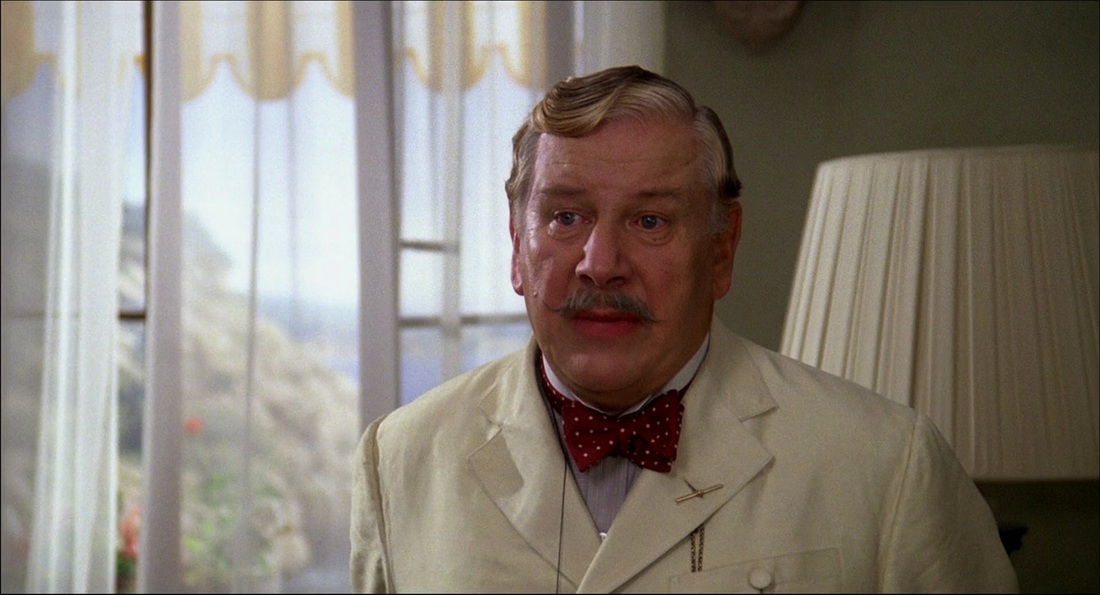 5. Ten Little Indians (1965) 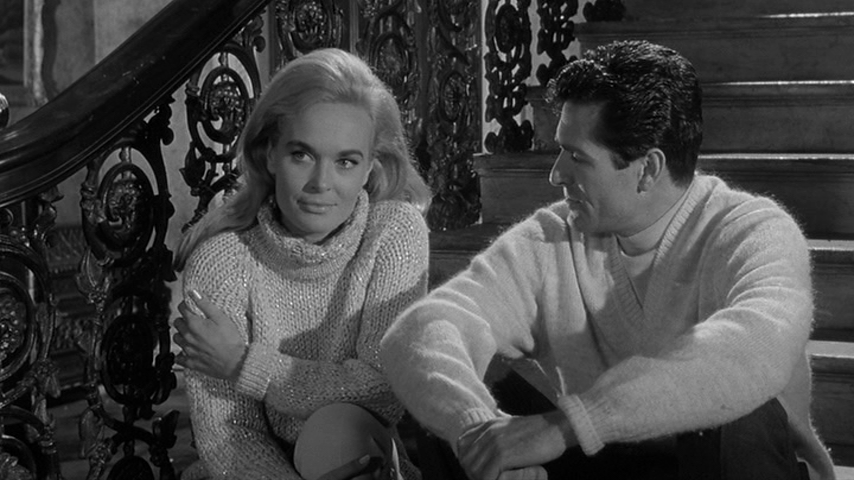 The second big-screen version of what is easily Christie’s most adapted work, Ten Little Indians is a slick, sneaky thriller. The earlier Rene Clair version from 1945, And Then There Were None, is preferred by most critics (it is awfully good), but this is the first version of the story I ever saw, and so holds a special place in my heart. Both of these versions use the alternate, less grim ending from Christie’s stage play, rather than the bleak ending that closes the original novel, which might disappoint purists, but for me works in the films' favor. The set-up is classic: ten strangers are invited to, yes, a remote location (here, a mountaintop lodge), where they find themselves cut off from rescue, trapped by a sadistic mastermind and slowly bumped off, one by one, in ways similar to the old nursery rhyme of the title. The gimmick here is that the murderer is not an outsider, but one of the trapped party – but which one? Each person is apparently guilty of some form of murder or wrongful death themselves, thus the killer’s motive is to mete out his or her own form of crude justice. This being the swinging 60s, a number of changes are introduced, such as re-jiggering the backgrounds of miscellaneous characters, plus adding a few elements not usually associated with Christie: healthy doses of sex appeal (embodied chiefly by the ravishing Shirley Eaton, who once again shows off her hot bod in tight sweaters and black lingerie) and action (courtesy of rugged American leading man, Hugh O’Brian). The rest of the cast of victims is an eclectic but effective bunch: Wilfrid Hyde-White, Dennis Pryce, Daliah Lavi, Stanley Holloway, Leo Genn, Fabian and (as the voice of the mysterious benefactor who supposedly arranged for their deadly stay, Christopher Lee). A handful of later versions were made for film and TV (including a Russian one which apparently adheres to the original downbeat ending), but this one remains my favorite. 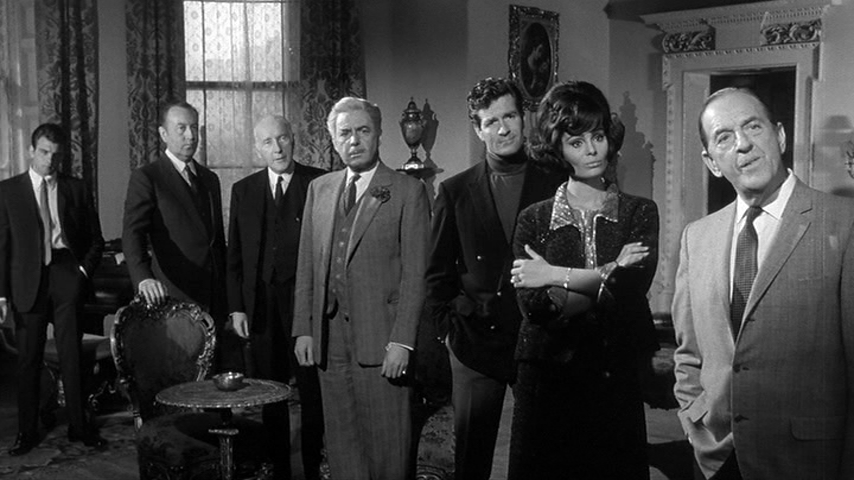 Honorable Mention: The Mirror Crack'd (1980) 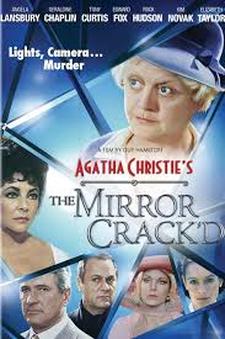 Yet another hefty production featuring an A-list cast, also directed (like Evil Under the Sun) by veteran Bond helmer Guy Hamilton. At 55 and a few years before finding renewed fame on TV's Murder, She Wrote, Angela Lansbury is too young for the part of Jane Marple, and frankly, she just doesn't quite work (to be fair, in my opinion, no one besides the irreplaceable Joan Hickson, with her implacable blue eyes, has ever quite nailed the part). Lansbury gives it the old college try, I suppose, but her casting remains the main debit to what is otherwise an engrossing take on one of Christie’s more tragic mystery novels. When legendary Hollywood actress Marina Rudd (Elizabeth Taylor) moves into the small English village of St. Mary’s Mead with her director husband, Jason (Rock Hudson), the gossip flies fast and thick. The emotionally fragile Marina is poised for a comeback in a movie that her husband is set to direct, but the production is put on hold when, at a reception for the local villagers to meet and greet the stars, one of Marina’s fans is poisoned to death. Was the poison meant for her, or is something more twisted afoot? Miss Marple, with the help of her nephew and leg man, Inspector Craddock (Edward Fox), soon get to the bottom of the case. Jonathan Hales and Barry Sandler do a fine job with the script, which pokes gleeful, canny fun at the backstage antics and backstabbing among the visiting Hollywood elite - all the while never losing sight of the tragic backstory which dictates the killer’s actions. Buoyed by the star wattage of Taylor, Hudson, as well as Tony Curtis, Kim Novak and Geraldine Chaplin, this is an effective psychological mystery that builds to an emotionally moving, yet subdued climax. It's just a pity that they couldn’t have found somebody better suited to play Miss Marple than Ms. Lansbury... Other Christie adaptations include the four Margaret Rutherford Miss Marple films: Murder, She Said (1961), Murder at the Gallop (1963), Murder Most Foul and Murder Ahoy! (both 1964) - jolly good fun, I say, wot wot, but bearing precious little resemblance to the source material. Ditto The Alphabet Murders (1965), with Tony Randall, of all people, taking a comical stab at Poirot. Much less entertaining is the drab Ordeal By Innocence (1984), with Donald Sutherland. Endless Night (1972) is purported to be much better, and at least features an acceptably British cast, but remains one I have yet to see.
15 Comments
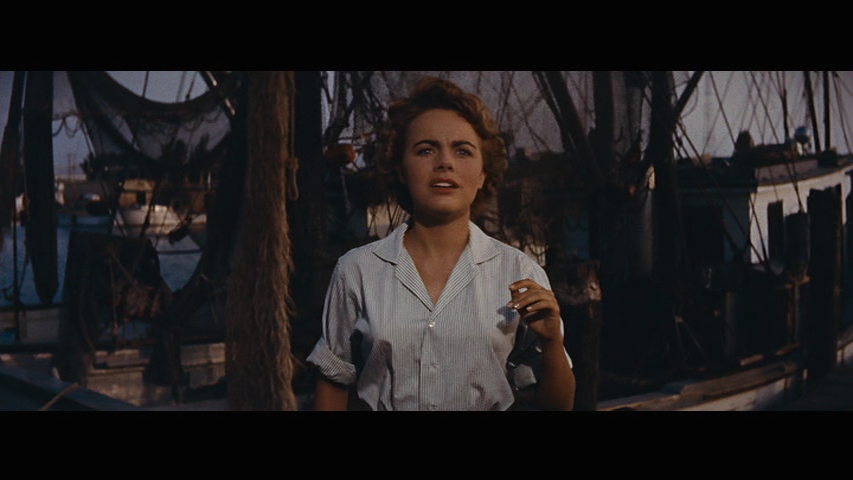
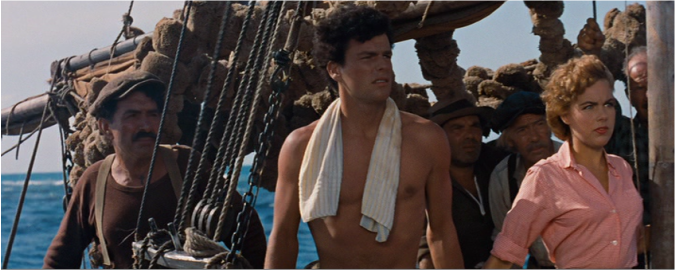 Romeo and Juliet among sponge divers - that’s the basic premise of 1953’s Beneath the 12-Mile Reef, an entertaining and picturesque adventure. Now, on most days, any resemblance to that particular Shakespeare play – one I’ve always hated since my earliest school days - would have me running for the nearest exit, but for some reason, it works here. Perhaps that’s because director Robert D. Webb and screenwriter I.A. Bezzarides spend less time wallowing in tragedy (though there is some of that) and more on the culture clash between two fishing communities - one Greek, the other Anglo, each fighting to eke out a living in the Florida Keys. 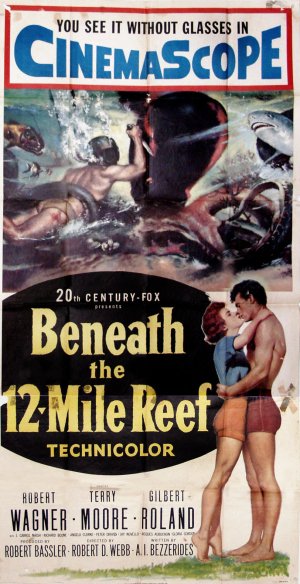 The Greeks, here personified by the father Mike Petrakis (Gilbert Roland) and his son, Tony (Robert Wagner), are hard-pressed to find enough sponges to make ends meet. Another crew has scored a massive haul by diving in the deadly waters off the 12-Mile Reef, but Mike refuses to go there, after an attempt years in the past resulted in the death of his brother. So the Petrakis clan head for the Keys, an area commonly fished by the Anglos and considered off limits to anyone else. The Anglos (whom the Greeks call the "Conchs") are led by the calm and collected Thomas Rhys (Richard Boone), who, though tough and stern, proves to have a sense of honor. That can’t be said for his sniveling son, Griff, (Harry Carey, Jr.) or his ambitious and cruel partner, Arnold Dix (Peter Graves). Arnold and Griff wait for the Petrakis to bring in a boat full of sponges, then hijack the lot, after threatening to cut Mike's airline with an axe. This encounter sets off a chain of events which rapidly escalate as tensions rise, including brawls, sabotage, boat burning, and a burgeoning romance between Rhys’ free-spirited daughter, Gwyneth (a luminous Terry Moore), and the handsome, headstrong Tony. Needless to say, as times get increasingly desperate, the harder it is to resist the siren call of the sponge-rich, dangerous currents that lurk beneath the 12-Mile Reef... The love story between our two young and impossibly pretty leads is soapy if sweet enough, but it’s really the conflict between the two rival groups that keeps the story moving. We’re never told exactly when this story is taking place; it might be set sometime before the aqualung was invented (by the late, great Jacques Costeau and engineer Emile Gagnan, as it happens) in the mid-1940s, or it could be contemporary, in the early 1950s, and the Petrakis family is only able to find, or afford, old equipment. Whatever the case may be, as far as this movie is concerned, it means the divers need to wear those old diving bell-type helmets, heavy rubber suits and weighted boots, and be fed oxygen through long tubes paid out slowly as they descend awkwardly into the depths. It could be argued that sponge fishing isn’t the most exciting thing to watch at the best of times, but nevertheless there are some decent thrills here for those with a penchant for old-school, undersea adventure. These scenes are enjoyable, but the movie fares best above water, with the beautiful Florida locations captured with a skilled eye by Oscar-nominated cinematographer, Edward Cronjager. 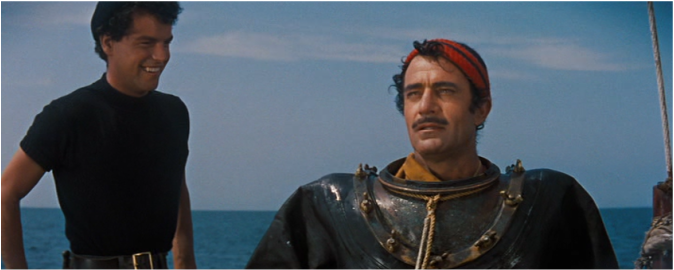
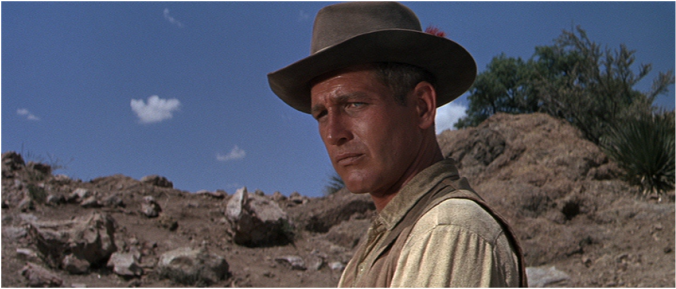
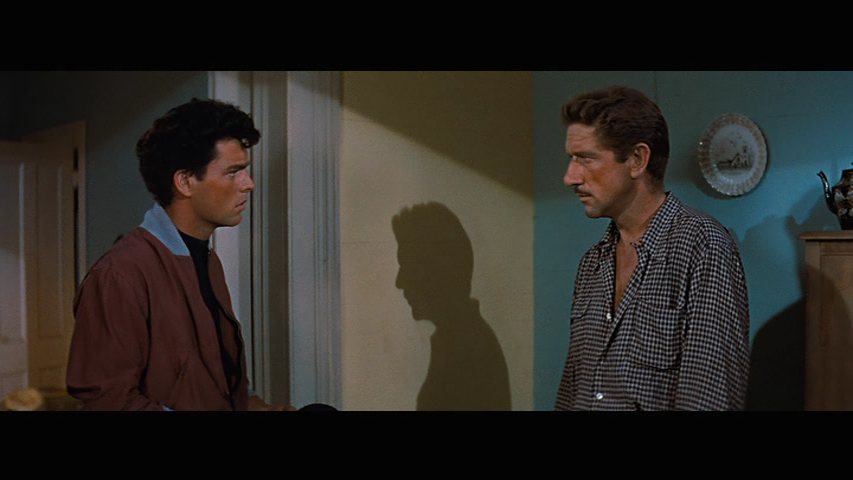
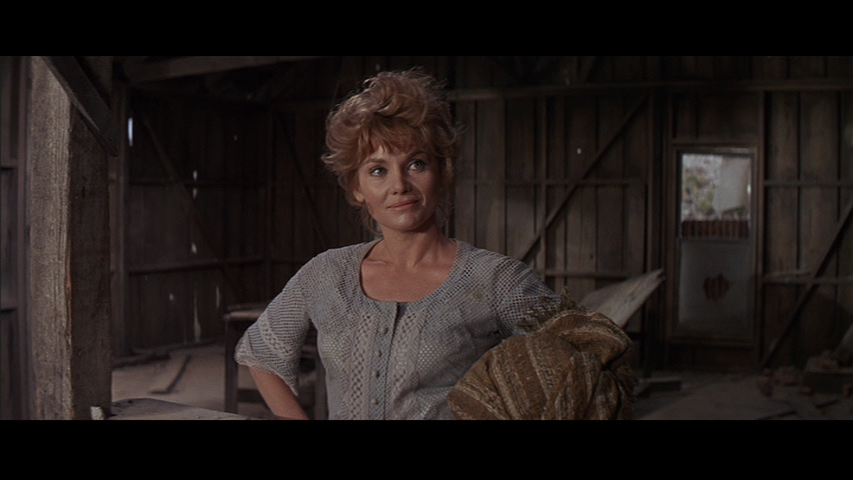
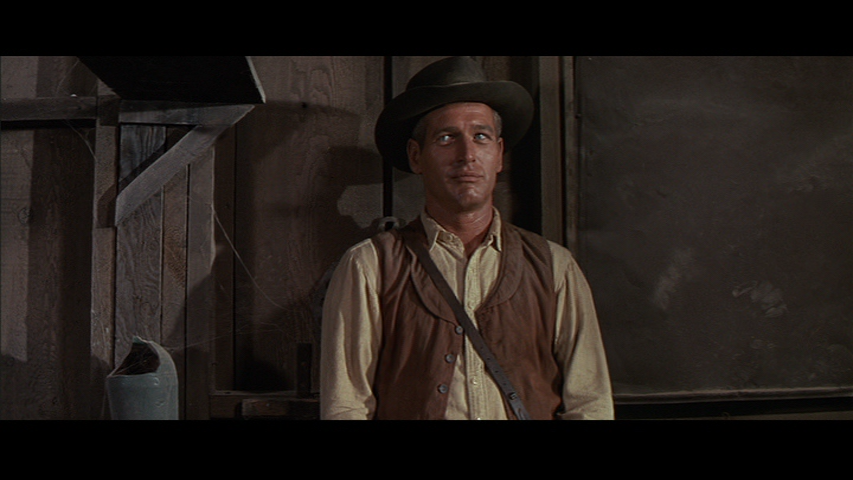
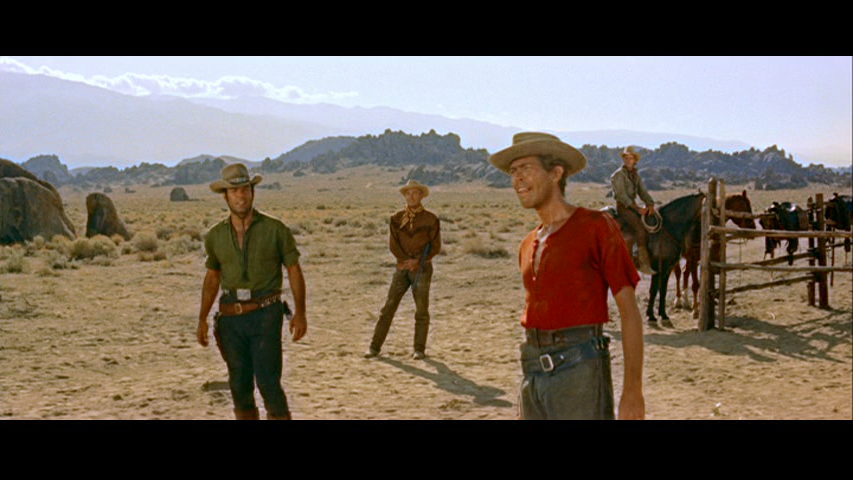
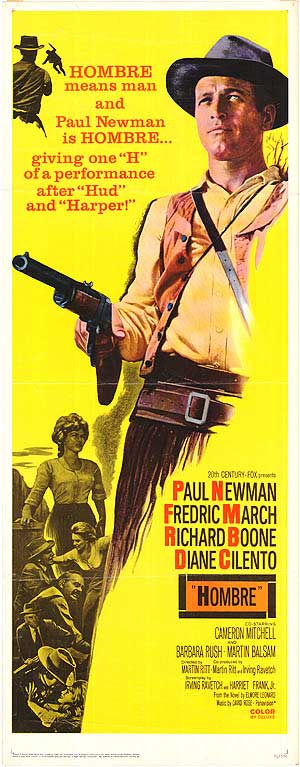 In the 1960s, Paul Newman was on a roll with movies beginning with the letter “H.” First came Hud in 1963, then Harper in 1966. One year later, Newman was back with Hombre, a tough, somber western which ranks with the best that decade has to offer. Newman tamps down his usual cocky charm to play the laconic “hombre” of the title, a white man raised among the Apache. As a boy he was “rescued” and taken in by a kind man named Russell, who named him John Russell and taught him the white man’s ways. But John Russell preferred the Apache way of life and returned to live with them, working first for the reservation police, then as a free agent, which is where we first meet him, watching stoically as he and some fellow Apaches try to trap some wild mustangs to sell to raise money for the poverty-stricken tribe. Russell is told by old friend and stagecoach owner Mendez (Martin Balsam) that the elder Russell has died, and left him a boarding house in his will. Attractive, salty landlady Jessie (Diane Cilento) has hopes that new owner Russell will keep the business going, but after a quick inspection, Russell informs her that he’s had an offer on the place and he’s going to sell. That leaves Jessie and the other tenants of the boarding house without a place to stay. When Indian agent Favor (Frederic March) and his high-falutin’ wife, Audra (Barbara Rush), pay a premium to get a quick stage out of town, many of the now-homeless tenants pack up and join in, including unhappy newlyweds Billy Lee (Peter Lazar) and Doris (Margaret Blye), Mendez, and Jessie herself, after her long-time lover, Braden (Cameron Mitchell), the local sheriff, flatly refuses to make an honest woman of her. The last two passengers are Russell and big, swaggering Cyrano Grimes (Richard Boone). 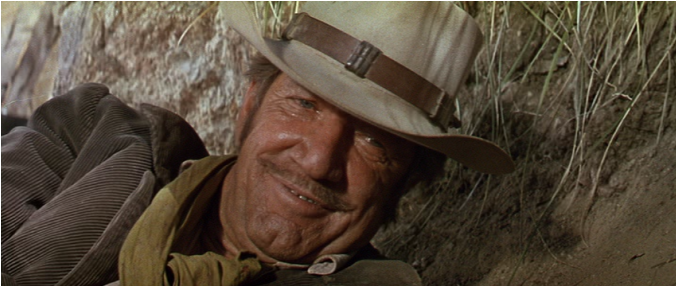 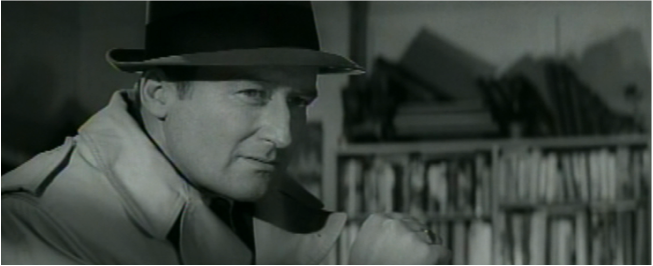 Quick...How many movies based on a famous series of novels can you think of, that star the author as their own character? "Mike Hammer IS Mickey Spillane." So reads the final credit that closes out the oddball little thriller, The Girl Hunters. Yes, none other than novelist Mickey Spillane himself takes center stage as his most famous creation, that private eye-as-blunt-instrument, Mike Hammer. In theory, this sounds like a bad idea - but in practice, it actually works surprisingly well. Spillane's no great thespian, of course, but he makes an acceptably terse and world-weary Hammer. The literary Hammer is infamous as a hard-charging, womanizing, beat--the-crap-out-of-you-and-ask-questions-later sort of shamus, bulldozing his way through a case until he's taken out the killer in Old Testament fashion. Spillane is fairly believable as a hardcase, built like a cinderblock, his bullet-shaped head topped with a buzz cut. Granted, he's not the giant of the book Hammer, and is certainly far less believable as a ladykiller. But all told, he holds his own.  Spillane published 13 complete Mike Hammer novels, starting with I, the Jury (1947) and ending in Black Alley (1996) (along with several fragments later completed by Max Allan Collins), a handful of which have been adapted for both film and television. Biff Elliot played a rather stiff Hammer in 1953's I, the Jury (strangely enough, swarthy Armand Assante fared much better in the sleazy 1982 version). Big Ralph Meeker made for an intimidating if charmless Hammer in Robert Aldrich's hard-hitting noir classic, Kiss Me Deadly (1955). On the small screen, actors who took a crack at the role include a pre-Kolchak Darren McGavin, Kevin Dobson, Rob Estes and, most memorably in the mid-80s, Stacy Keach, who gave us a kinder, gentler but still tough Mike.
Spillane not only headlined The Girl Hunters, he co-wrote the screenplay, which follows his own novel pretty faithfully. The Girl Hunters was the first Mike Hammer novel in ten years, after 1952's Kiss Me Deadly; Spillane built this gap in time into his novel, and the movie opens similarly, with Mike as a down-and-out bum. After a botched protection gig which ended in the disappearance - and presumed death - of his beloved secretary, Velda, Mike has crawled into the bottle and become a deadbeat drunk for several years, earning the contempt of his old pal on the force, Pat Chambers (Scott Peters). But all it takes is a whispered deathbed tip from a fatally-wounded government agent, telling him Velda is still alive and in hiding, to immediately sober Mike up and set him on an implacable path to track her down. The dead agent was killed by a former Soviet assassin codenamed the Dragon, and Velda is next on the hit list. Rickerby (Lloyd Nolan), a veteran Fed who was the dead agent's mentor, makes a deal with Hammer: he'll provide intel and reinstate Hammer's gun license (and bring Mike a sandwich!) and in exchange, Hammer promises to find the Dragon and turn him over, alive, within a week. The "alive" part is a tall order for a "vengeance is mine" sort of guy like Hammer, but the bigger question is, does the rusty detective still have what it takes to bring the baddies to justice and rescue Velda? 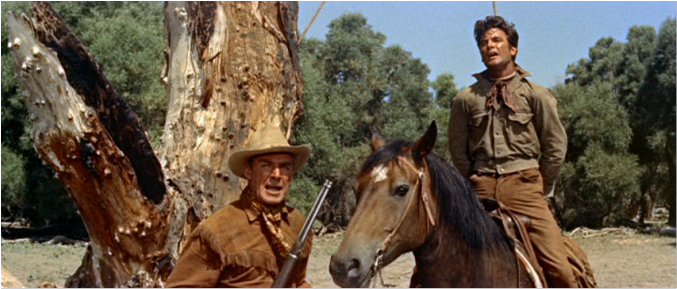
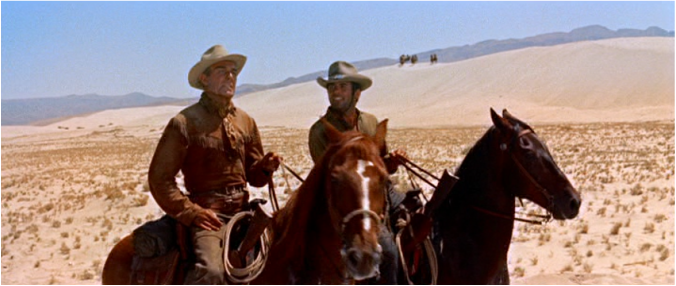
Much like Gary Cooper - that other prime example of the strong, silent type - Randolph Scott is an actor that I've only come to appreciate over the past several years. Though he started off in standard "handsome leading man" roles in comedies and dramas back in the 1930s, what I like to call the "real" Randolph Scott emerged in the late 1940s and really came to the fore in the 1950s. As he aged, Scott's handsome face became more weathered and craggy, his air of quiet authority and mild Southern gentility more pronounced, and from 1948 on, all his roles but one were on horseback, where he truly belonged. Rather than shirk it, Scott happily embraced his status as a "cowboy" actor. It was a genre which he obviously enjoyed, one in which he excelled, and one that, along with his canny business acumen, made him a rich man for the rest of his long life, long after he retired from acting. Though superstars like John Wayne and Clint Eastwood loom larger in the public imagination of what a western movie hero looks like, it's Randolph Scott who to my mind seems most inextricably linked to the genre - the quintessential screen cowboy. In his unassuming, solid-as-a-rock way, Scott headlined a string of colorful bread-and-butter westerns, modestly-budgeted but well-mounted, the top tier of which hang with the best that the 50s had to offer. And for those that know the way the western genre flourished and dominated that decade, that's no small praise indeed.
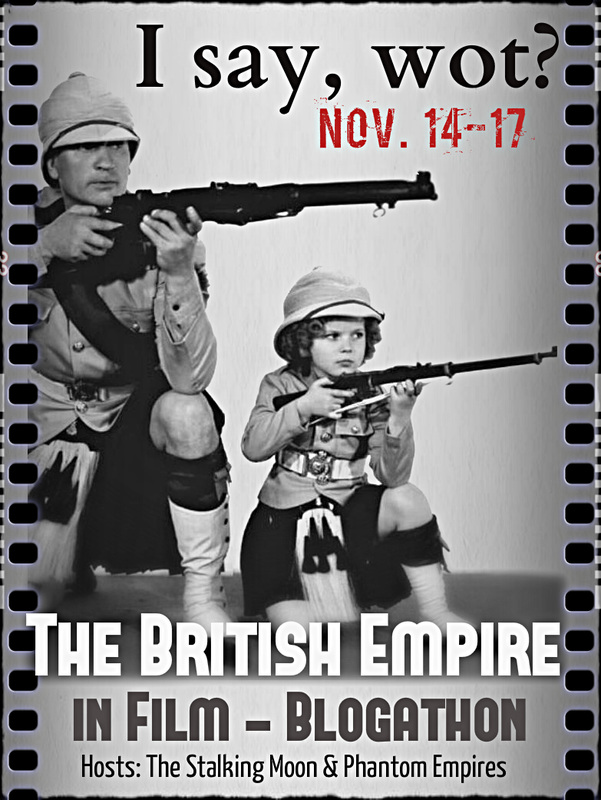
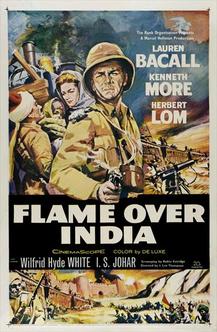
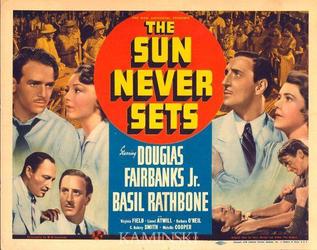
 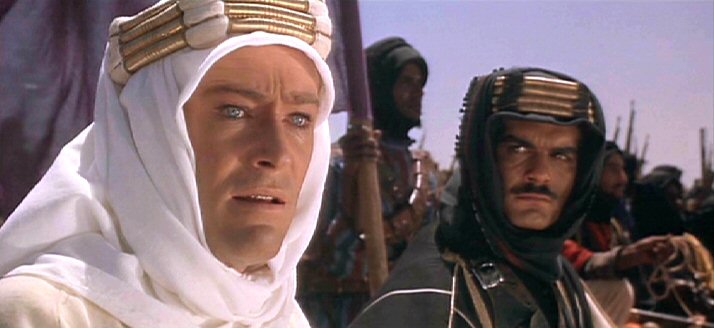 And as the battle reaches fever pitch, here comes the cavalry into the fray, just in the nick of time...That's right, folks, we've got a few more tasty delights left for your perusal. Do us all a favor and head on over to check 'em out when you get a chance. Over at Classic Movie Hub, Minoo tackles an all-time cinema classic, a movie that truly lives up to the name "epic" - 1962's Lawrence of Arabia, directed by David Lean. (By the way - the 50th Anniversary Blu-Ray of this bad boy is a stunning, sumptuous visual feast.) We're glad to welcome the Metzinger Sisters at Silver Scenes back to the blogathon again, this time to talk about an underrated gem of an adventure flick - North West Frontier (a.k.a. Flame over India), from 1959. I have the Blu-Ray of this title, too, and can vouch for both the quality of the film and the transfer. And last but certainly not least, Kevin at Kevin's Movie Corner unearths a movie both Clayton and I had never heard of before this blogathon but are now salivating to watch: 1939's The Sun Never Sets, starring Douglas Fairbanks, Jr. and Basil Rathbone, just a few names among many in a killer cast. And that's a wrap, everybody! Twenty-three posts over 4 days - not too shabby for our first blogathon. Hearty "Thank yous!" to all the terrific bloggers who gave generously of their time to take part in this event. I apologize for being behind in commenting on everyone's posts (as seems to be the way with these things, the 'thon schedule coincided with a crazy busy time for me at both work and home), but rest assured I'll be leaving messages for each and every one of you over the next few days. Thanks for posting, and reading!
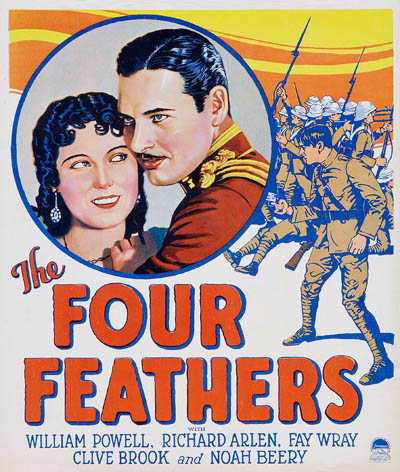
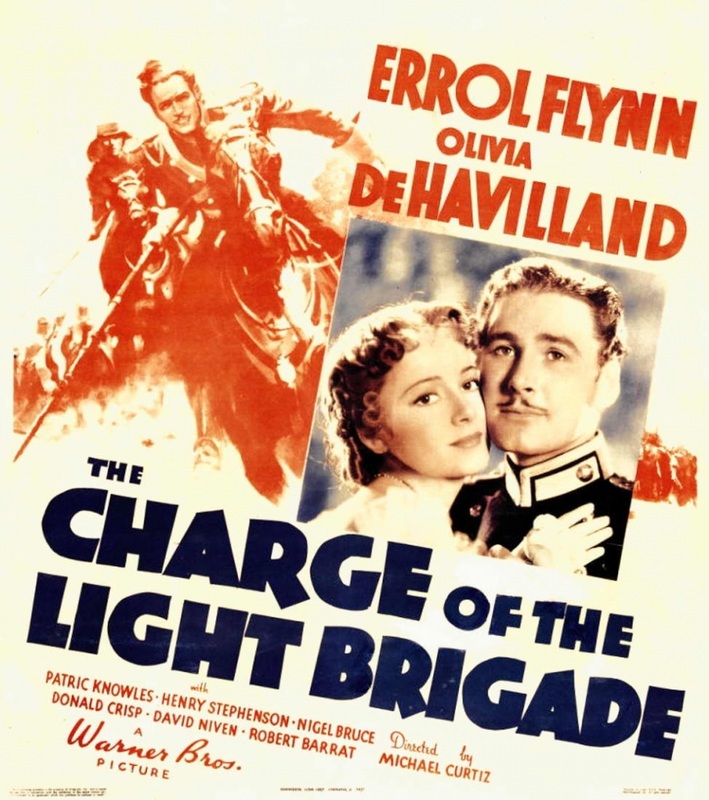
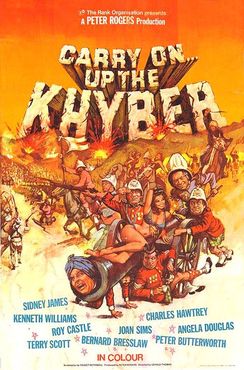
The sun has not yet set on the British Empire blogathon. We've got some more fabulous posts for you today. Fritzi of Movies Silently fame gives us two reviews for the price of one, as she pits the silent 1929 The Four Feathers against the 1939 talkie version. It's a knock down drag out fight, but one version definitely comes out on top (hint: the name of her blog is a clue). Andrew over at History on Film rides with Errol Flynn and Patric Knowles in the 1936 Michael Curtiz-directed version of The Charge of the Light Brigade. Fittingly, he gives some important historical context behind the events depicted in the film. But we're not finished with the Crimean War yet...as the sartorially-astute Miss V. at Girls Do Film covers the much less well-known 1968 version of The Charge of the Light Brigade, providing lots of contemporary 60s era context along the way (not to mention some very striking images and screen caps). Perhaps no other figure more typifies the image of the British Empire in its waning days than Winston Churchill, so it pleases us greatly to have Moon in Gemini examine a film about the man's early days, Young Winston (1972). And lest we start taking things too seriously, Ivan at Thrilling Days of Yesteryear steps back into the wacky world of the "Carry On..." films, this time with Carry On...Up The Khyber (1968). As the unforgettable Kenneth Williams himself once said: "Ooh, matron!" And yours truly has some fun sallying forth with Gary Cooper and company in 1935's The Lives of a Bengal Lancer. Once again, Clayton of Phantom Empires and I would like to give a big shout out to all the great bloggers who contributed to this blogathon. Great job, guys and gals, and much appreciated!   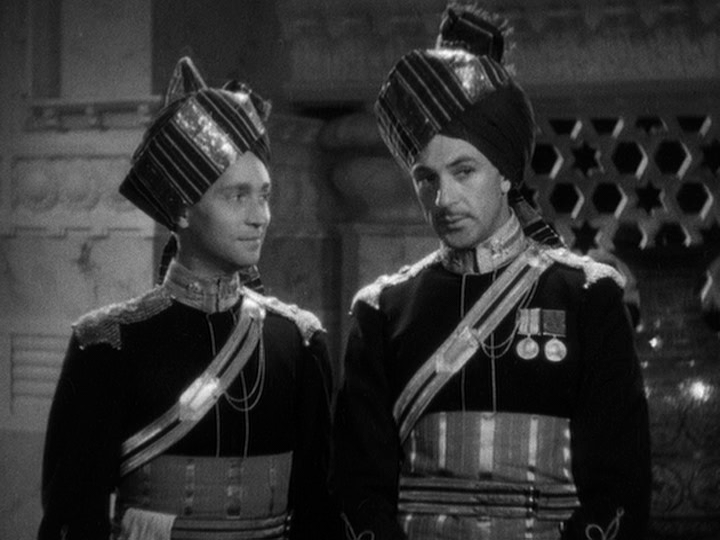
 In many ways, history has not been kind to movies extolling the virtues of the British Empire. It's sometimes hard for modern audiences to watch these tales of derring-do, of courage against the odds and the superiority of the Imperial machine, and separate the dash and fun from the grim political realities of the era, which included the subjugation of indigenous peoples and the marginalization of their cultures. The once-lauded author Rudyard Kipling, for instance, is nowadays practically blackballed from college literature courses and sniffed at by literary critics - a real shame, considering his massive talent as a storyteller. Yet there's something intrinsically appealing about these old-school tales of honor, chivalry and action in far-flung lands. Avoiding this siren call of adventure and heroism out of a sense of political outrage can end up being somewhat akin to throwing the proverbial baby out with the bathwater. I think it's possible to decry the mistakes and atrocities perpetrated during the reign of Empire, while still enjoying these kinds of movies - like many you'll see covered in this blogathon, such as Gunga Din, The Four Feathers, The Man Who Would Be King and many others - for what they are: cracking good yarns, full of dangerous escapades, exotic color and soldierly bonhomie in the face of impossible odds. An exciting, dramatic story with memorable characters, told with at least a modicum of visual flair - isn't that one of the principal things we're all looking for in a movie? If that's the case, then 1935's The Lives of a Bengal Lancer more than fits the bill.
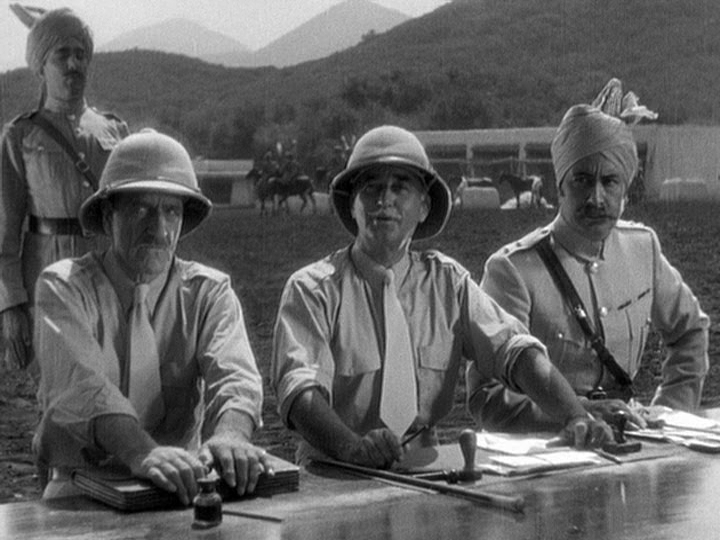
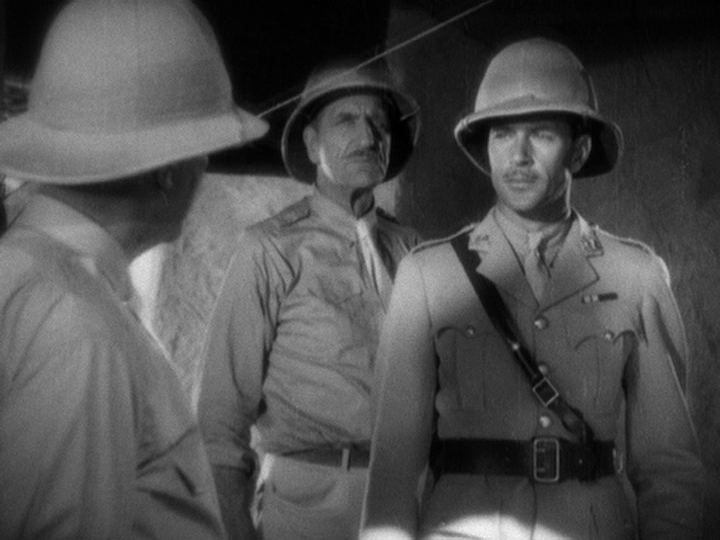
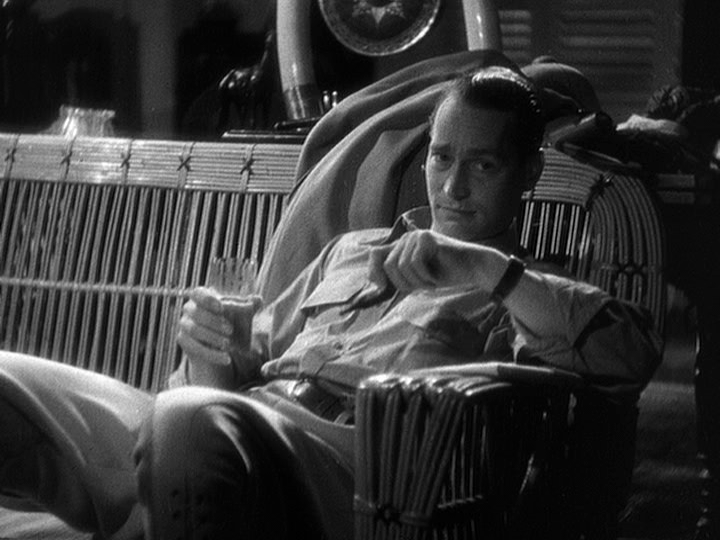
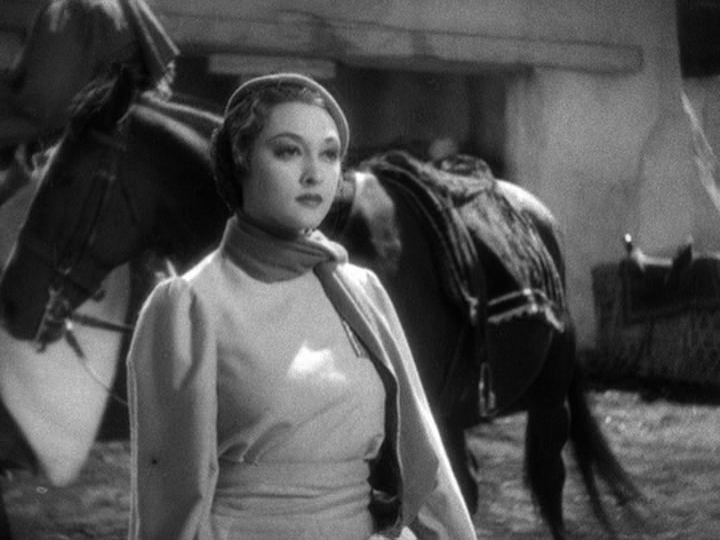
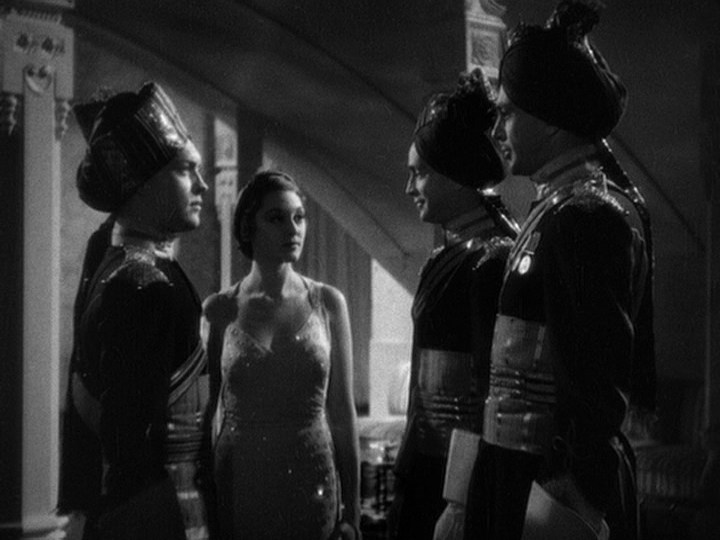
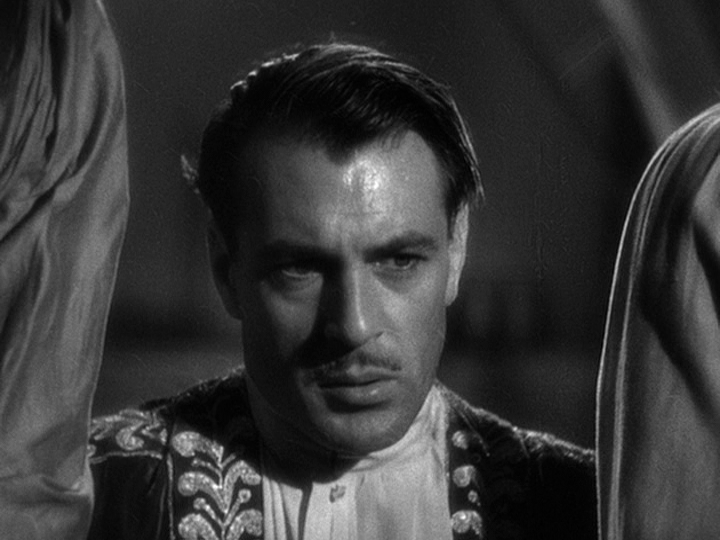
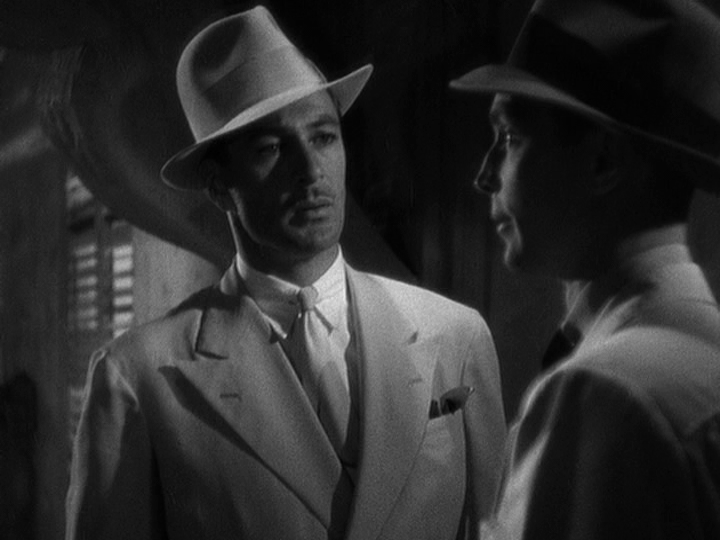
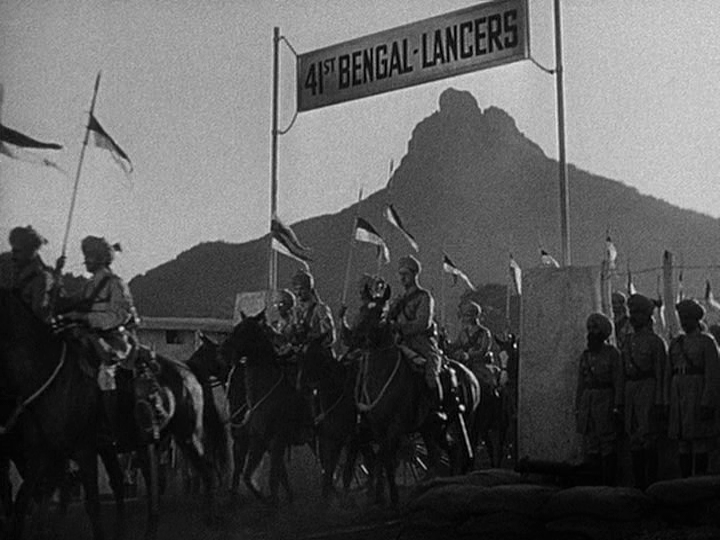
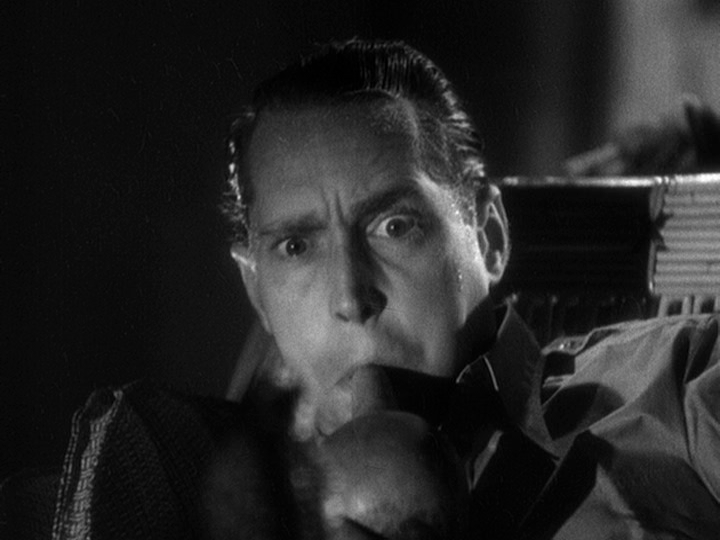 The main protagonist is Lieutenant Alan McGregor, known as "Mac" to his pals (played by Gary Cooper, rock solid as always, though I can't help thinking that pencil-thin moustache he's wearing was a mistake). Mac's a Scotch-Canadian fighting with Her Majesty's 41st Lancers far up in the Northwest frontier of India, and chafing under the strict, by the book command of Colonel Tom Stone (Sir Guy Standing). Stone is given staunch support by his second-in-command, Major Hamilton (C. Aubrey Smith - now there's a proper moustache!) Col. Stone's longtime nemesis is the rebel leader, Mohammed Khan (Douglass Dumbrille); both men are wily old tigers, trying to lure their opponent's forces out into the open where they can close in for the kill. When an officer is killed in a skirmish whilst on patrol, two replacements are soon brought in. One is indolent, insolent Lieutenant Forsythe (Franchot Tone), fresh from service with "the Blues," a regiment, we gather from the occasional smirks from the hardened campaigners of the 41st, that was a prestigious but cushy posting. Forsythe quickly gets under Mac's skin but nonetheless proves a dab hand as a soldier, but the other new recruit is altogether more problematic: Lieutenant Donald Stone (Richard Cromwell), who happens to be the Colonel's son, fresh from Sandhurst military academy. Unbeknownst to the Col., Major Hamilton arranged for Donald to be posted in his father's regiment, to help the old man to see more of his son during the waning days of his career (the Colonel's dedication to duty having resulted in his being an absentee father all the boy's life). A stickler for order, discipline and duty to the Army above all else, the Colonel refuses to show any favors to his son, despite being glad to see him. Stone, Jr. is disappointed in his father's cool reception, but luckily, soon finds a surrogate father in the crusty yet softhearted Mac, whose nickname for the Colonel is "Old Ramrod." Mac does his best to guide the callow young Lieutenant in the ways of a soldier's life on the frontier - much to Forsythe's amusement. When the Emir of Ghopal requests 2 million rounds of ammunition from the British government, Intelligence officer Major General Woodley (Lumsden Hare, in a fun cameo) suspects Mohammed Khan of scheming to ambush the weapons convoy and use the munitions against the British. Woodley sends Col. Stone and his men to pay a visit to the Emir at his palace, under the pretense of a "pig hunt," to suss out the situation. Dressed in full military regalia, Col. Stone, Major Hamilton and our three Lieutenant pals join the Emir in his palace, only to find that Khan is also a guest there. This leads to a civil yet barbed exchange between the old enemies, Col. Stone and Khan:
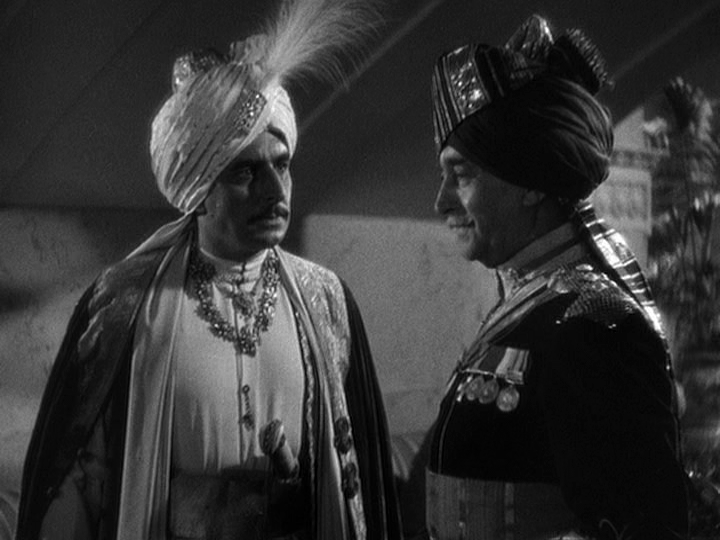 Douglass Dumbrille and Sir Guy Standing
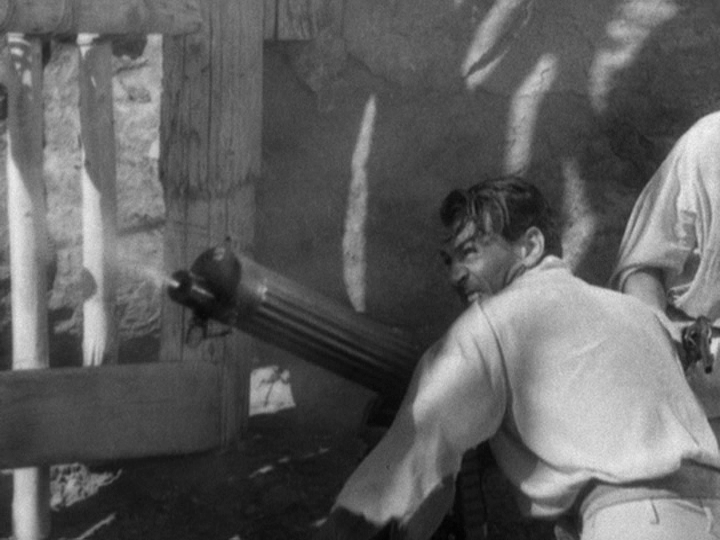
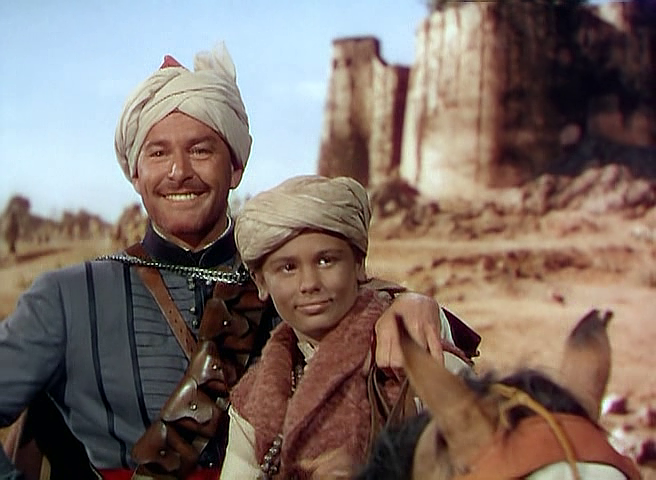
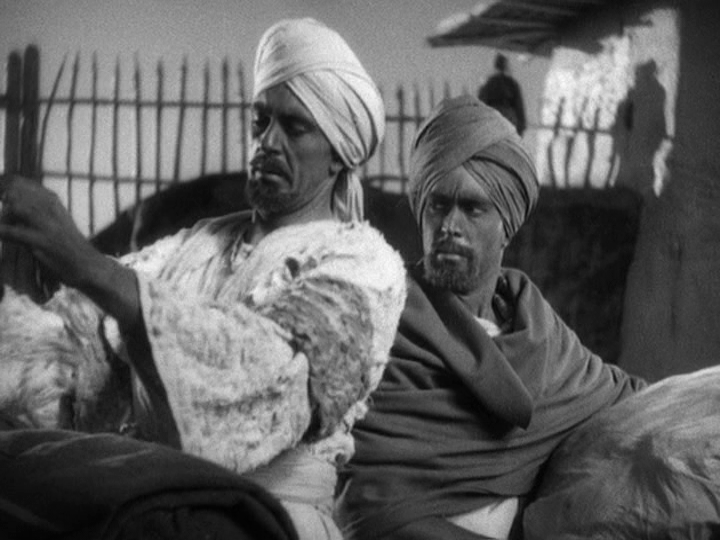 Khan happens to be accompanied by a dark, slinky beauty, Tania Volkanskaya (Kathleen Burke), who hones in on the disgruntled Lt. Stone. When Stone leaves the camp against orders, for a secret assignation with Tania, he's quickly captured by Khan's men and brought to a remote retreat high in the mountains far beyond the Khyber. The Colonel adamantly refuses to fall into Khan's obvious trap, so it's up to Mac (under arrest for insubordination) and Forsythe (in charge of keeping an eye on him) to disregard orders, dress up as Pashto rug merchants, infiltrate Khan's stronghold and attempt a rescue. Alas, Tania recognizes the two men despite their disguises, and soon Mac and Forsythe are enjoying a Dr. No moment ("I hope you enjoyed your meal, Mr. Bond...as it will be your last."). The festivities culminate in a round of "lit bamboo slivers under the fingernails" torture for the trio, as the Khan demands information about the route the weapons convoy plans to take. Mac and Forsythe show they have true grit and hang tough through the torture, but young Stone is made of weaker stuff and blabs his guts out before being tossed with the others in a makeshift dungeon (Hammond does nice work here conveying a mix of terrible shame and pathetic "why should I care after the way daddy treated me?" whingeing, which leads to the poetry recitation above that opens this review.) Mac and Forsythe are jolly decent about Stone's breakdown, considering they went through nasty torture for NOTHING, thank you very much, and do their best to maintain that good old stiff upper lip, whiling away the hours of captivity betting on cockroach races, with Mac losing nearly every time (the pals name their competing cockroaches "Khan" and "Tania.") Despite these shenanigans, the two keep their eyes on the prize, constantly on the lookout for escape...and when they see Khan and his Afridi tribesmen prepare to wipe out the incoming Col. Stone's forces, Mac, Forsythe and a redemption-seeking Lt. Stone, come up with a daring, suicidal final plan to destroy the stolen ammunition and even the odds in the Lancers favor... In many ways the spiritual precursor to the much better known Gunga Din, The Lives of a Bengal Lancer is a rousing tale of heroism, friendship, and fidelity to a cause. Based (very loosely) off the autobiography of Francis Yeats-Brown, it's not as opulent a production nor nearly as action-packed as Gunga Din, but is still great fun to watch. Despite being nearly 80 years old, it's a fresh, breezy and engaging adventure, thanks to its timeless themes, affecting performances and witty script. (A lot of writers took a crack at crafting the script, including Yeats-Brown himself, with final "screenplay by" credit going to Waldemar Young, John L. Balderston and Achmed Abdullah.) In many ways the spiritual precursor to the much better known Gunga Din, The Lives of a Bengal Lancer is a rousing tale of heroism, friendship, and fidelity to a cause. Based (very loosely) off the autobiography of Francis Yeats-Brown, it's not as opulent a production or nearly as action-packed as Gunga Din, but is still great fun to watch. Despite being nearly 80 years old, it's a fresh, breezy and engaging adventure, thanks to its timeless themes, affecting performances and witty script. (A lot of writers took a crack at crafting the script, including Yeats-Brown himself, with final "screenplay by" credit going to Waldemar Young, John L. Balderston and Achmed Abdullah.)While there's definitely some good action to be found here (especially during the rousing climax), it's brief and infrequent by action movie standards. The film proves to be less about adventure or even politics during the British Raj than it is a character drama about codes of honor, friendship and fatherhood. These themes run throughout the movie, but it rarely comes off as heavy-handed or turgid, due to director Henry Hathaway's light touch, the script's cheeky sense of humor and the consistently wry, charismatic presence of Cooper and Tone. Their prickly friendship, forged out of equal parts respect, competitive one-upmanship and soldierly bonds, proves the highlight of the film. 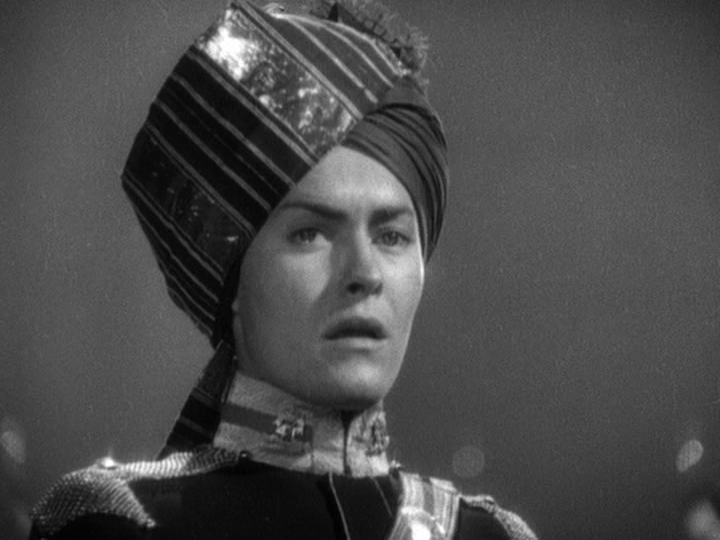 Richard Cromwell Richard Cromwell Cooper (who I talked about in some detail previously here), well-known as the strong, stoic type, gets plenty of opportunity to show his lighter, more playful side in Bengal Lancer, as the anti-authority, hotheaded Canuck. Cooper's quietly powerful presence meshes perfectly with Tone's glib suavity and aplomb. (Interestingly, the script wisely explains away Coop's obvious lack of Englishness, but doesn't bother with the only slightly less American Tone.) The two stars make a formidable team, and it's great fun to watch them spark off each other as they grudgingly mother hen the wayward new recruit. Richard Cromwell does what he can with his drip of a character, but despite his solid work, he can't help being overshadowed by his co-stars (unlike in Gunga Din, which got the buddy trio formula just right.) C. Aubrey Smith was the absolute epitome of the "I say, sah!" school of grizzled Brit military man, and his presence in this sort of movie lends it an instant authority. The (very Caucasian) Douglas Dumbrille as Khan seems a reach casting-wise, even for the time, but he brings a nice tinge of Oxford-educated, silky menace to the part. Kathleen Burke is given even less to do than Joan Fontaine was in Gunga Din, just a mere tool to get the plot rolling. But the real acting honors go to Sir Guy Standing, a prominent stage actor who came to Hollywood late in his career. His stiff, military bearing and actual experience in the British Navy made him ideal for parts as commanding officers, but the actor does a great job letting us see the deep, conflicting emotions the Col. barely holds in check. Sadly, Standing's promising screen career was cut short in 1937 when he died from a rattlesnake bite while hiking near his home in the Hollywood Hills.
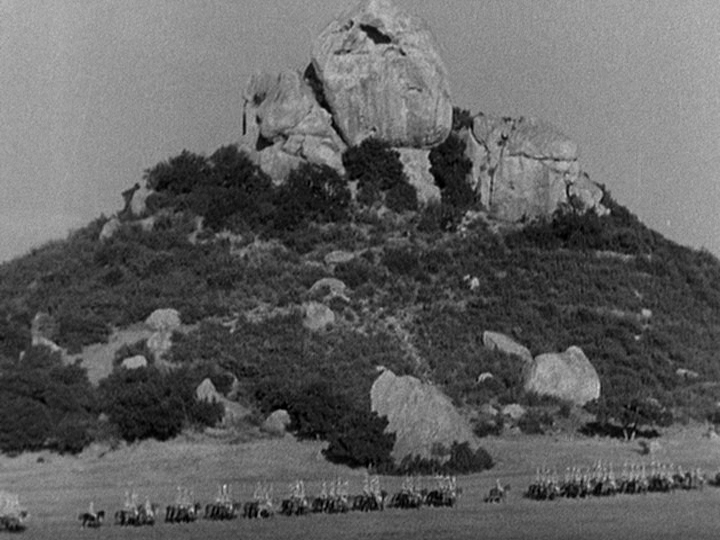
The film deftly mixes in stock footage of actual Indian daily life with action shot on stage and exteriors at a number of Californian locations, including Lone Pine, Buffalo Flats and the Paramount Ranch. I expect some of the long shots depicting Mogala, Mohammed Khan's stronghold nestled in the mountains, were done using matte paintings, but an actual large set was indeed built on the Iverson Ranch for the grand final battle. One assumes Achmed Abdullah's contributions to the script included the various regional languages and dialects heard in the film (including several lines spoken by Cooper). Who knows how authentic it all is, but it sounds right, and that's good enough for Hollywood, and likely most audiences. There are also some interesting reflections on Muslim cultural taboos. For example, one servant tries to kill one of the officers in the camp because he slept with his feet pointing toward Mecca. Col. Stone lets him off with a warning that if he tries to do such a thing again, he'll be hanged and his body sewn up in a pig's skin - a threat used again later, when Mac wants to find out from a captive where the Khan has taken Lt. Stone. All in all, The Lives of a Bengal Lancer serves up the lighthearted Boy's Own Adventure goods all the way, but grounds everything with a strong sense of human drama. It might not be quite as dazzling as all-time greats like Gunga Din and The Four Feathers, but it's pretty dang close.
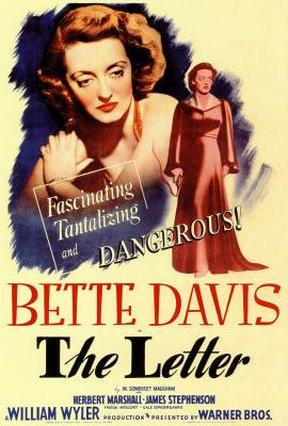
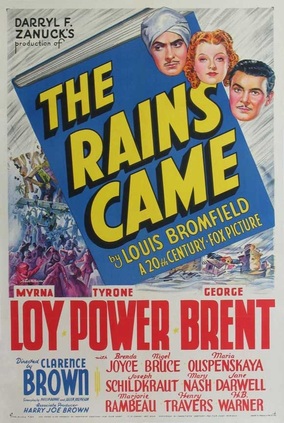
 DVD Note: The Lives of a Bengal Lancer can be found on several import Region 2 DVDs, but the version I have is the 2-disc The Gary Cooper Collection from Universal (also featuring Design For Living, Peter Ibbetson, The General Died at Dawn and Beau Geste). It's a good, solid collection with good transfers...and best of all, it's cheap as chips!  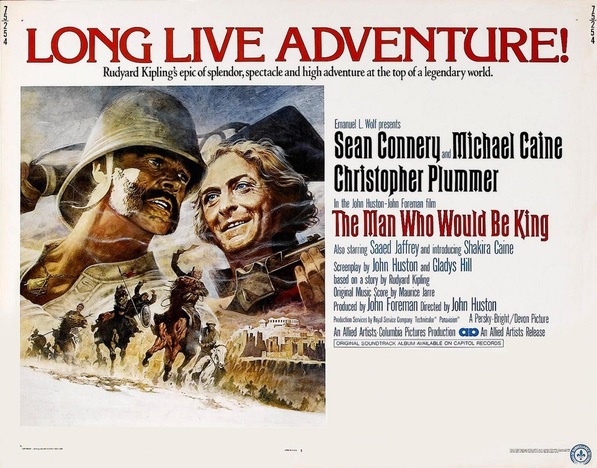 It's day three of the "British Empire in Film" blogathon, and the contributors are soldiering on with more tasty cinematic treats for your reading pleasure. Le from Critica Retro gives the lowdown on another winner from Hollywood's golden year of 1939, The Rains Came, starring Tyrone Power and Myrna Loy. (Note: hit the Google Translate button at the top of Le's page for the English version of her review). Good pal and all-around bon vivant Sergio at Tipping My Fedora has chipped in with a typically strong review of the 1940 Bette Davis version of The Letter. (He also includes a helpful list of the numerous other versions of Somerset Maugham's tale of passion, lust, betrayal and murder). Rudyard Kipling is of course inextricably linked to the days of Empire, and so it's only fitting that we get to feature another adaptation of one of his works. Over at Speakeasy, Kristina delivers an in-depth, fond look at John Huston's The Man Who Would Be King (1975). Mike of Mike's Take on the Movies somehow manages to keep up the killer pace of reviewing a movie nearly every day - as any blogger knows, no mean feat. Today he takes a look at Richard Lester's cheeky period romp, Royal Flash (also from 1975). Check 'em out while they're hot!
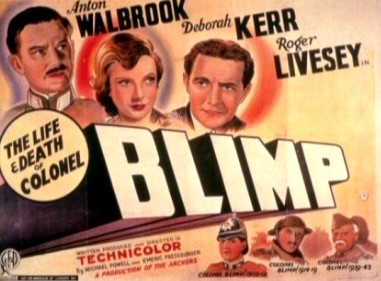
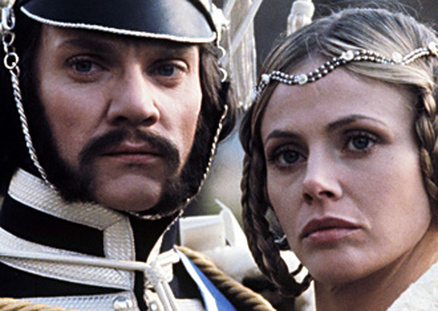 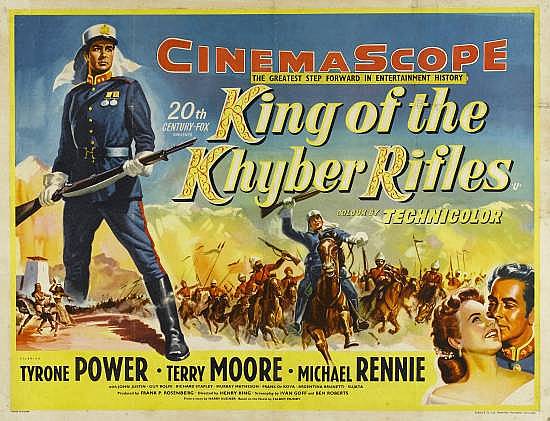 We're back again with more terrific blog posts about tales of derring-do and stiff-upper-lippedness in the grand British tradition. Giles at Sometimes they go to Eleven returns with a quick look at the excellent Aussie drama, Breaker Morant (1980) - including a YouTube clip of the film's riveting courtroom defense summation, delivered by Jack Thompson. Over at Silver Scenes, the Metzinger Sisters bring us the first of a one-two punch of adventure and intrigue with this piece on Kim (1950), which features a good late career performance by champion swashbuckler Errol Flynn. Dorian and Vinnie Bartilucci, effervescent hosts of Tales of the Easily Distracted, team up to cover what must be the quintessential Boy's Own Adventure tale, Gunga Din (1939). There's more Roger Livesey action for you today, as Ruth of Silver Screenings digs into that stirring, Technicolor Powell & Pressburger masterpiece, The Life and Death of Colonel Blimp (1943). The indefatigable Laura of Laura's Miscellaneous Musings chimes in with a balanced take on the very fun Tyrone Power actioner, King of the Khyber Rifles (1953). Check 'em out and let the authors know what you think! 
 |
Videophilia!
Opinionated ramblings about new and old movies (mostly old, as that's the way I like 'em!) 


Blogs of Note
Stuart Galbraith IV's World Cinema Paradise
Movie Morlocks (TCM's Classic Movie Blog) 50 Westerns from the 50s Riding the High Country Sweet Freedom Tipping My Fedora Thrilling Days of Yesteryear Silver Screenings Laura's Miscellaneous Musings Classic TV and Film Cafe Just a Cineast She Blogged By Night Chess, Comics, Crosswords, Books, Music, Cinema Out of the Past - A Classic Film Blog Pretty Sinister Books They Don't Make 'Em Like They Used To In So Many Words... Greenbriar Picture Shows Flix Chatter My Love of Old Hollywood Tales of the Easily Distracted Another Old Movie Blog Lasso the Movies Kevin's Movie Corner Films From Beyond the Time Barrier Carole & Co. Rupert Pupkin Speaks Caftan Woman Vienna's Classic Hollywood The Lady Eve's Reel Life ClassicBecky's Brain Food 



Hey!
Be sure to subscribe to the RSS feed below, to be informed of new postings! 


Categories
All
Archives
September 2015
|
 RSS Feed
